Skip to content

THC Gummies Online
Experience high-potency THC gummies crafted for deep relaxation and euphoria. 100% lab-tested, federally compliant, and discreetly shipped online. Indulge in mouthwatering THC gummies made with natural fruit flavors and organic ingredients. Find your perfect dosage and order online today!

Landon Peters
Store owner
THC gummies for sleep and deep relaxation.
THC gummies in a variety of flavors, strengths, and formulations. Explore discreet, convenient edible options with clear product information, ingredients, and potency details. Discover THC gummies designed for adult consumers.
Learn about responsible use, storage, and product selection. Browse our online collection to compare available options and find products that match your preferences.
Hot Discount - 10% OFF all orders over $200
Shop premium THC gummies in delicious fruity flavors. Enjoy precise dosing, fast-acting relaxation, and lab-tested purity delivered straight to your door.
Featured Products

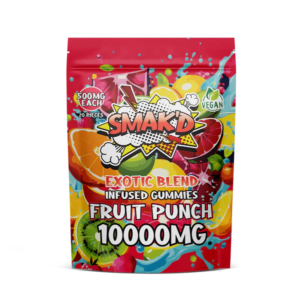
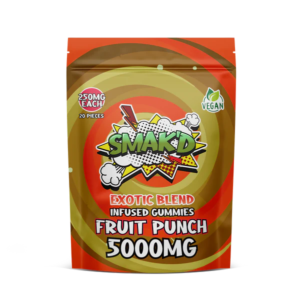
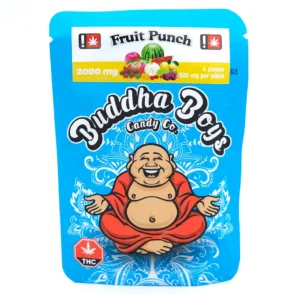
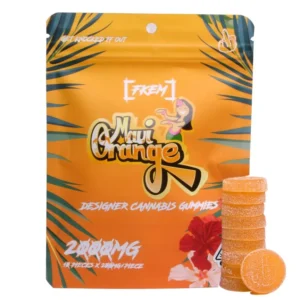

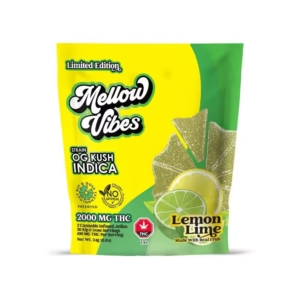
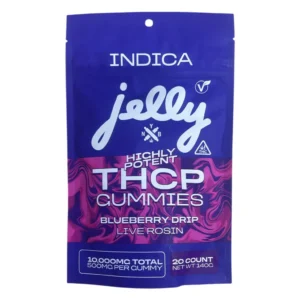
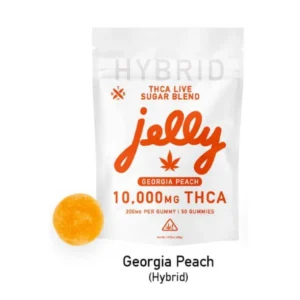
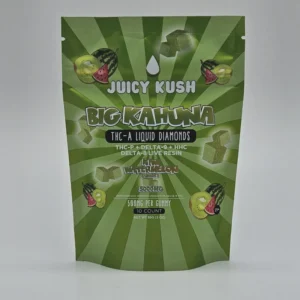

10%
Don’t miss this opportunity. Act now!
What are THC Gummies and how do they work?
THC gummies are a popular edible cannabis product made by infusing gelatin or plant-based pectin with a mixture of fruit flavors and sweeteners, as well as citric acid and a measured dose of THC extract. Once the gummies are made, cannabis manufacturers mix the THC evenly throughout the gummies, as this ensures that the product is evenly dosed for consumers. Traditionally, the cannabis was smoked or vaped, but with the recent legalization of cannabis, many consumers prefer using THC gummies or other edible cannabis products because there is no need to smoke or inhale the cannabis, and it is a more discreet way to consume cannabis.
While traditional methods of cannabis consumption, such as smoking or vaping, activate the effects of the THC within the body by rapidly sending the cannabinoids to the bloodstream through the lungs, THC gummies work differently. THC gummies are processed through the digestive system. THC gummies are first digested in the stomach where they are broken down by stomach acid. The digestive system then transports the THC through the portal vein to the liver. The liver then metabolizes the THC and produces a cannabinoid metabolite 11-hydroxy-THC which efficiently crosses the blood-brain barrier. Once this happens, a state of euphoria and relaxation occurs and users experience altered time perception. Because of this special liver metabolism, users experience the effects much later than smoked cannabis, approximately 60-90 minutes later, but the effects ultimately last longer and can persist for several hours.
Our Happy Clients!
I had a really smooth experience shopping with this gummies shop online. The website was easy to navigate, the ordering process was straightforward.

Jason Wong
Truck Driver
I’m very pleased with my experience ordering from this gummies shop online. The website was user-friendly, checkout was easy and my order was handled efficiently.

Richard Ahlschlager
Architect
The whole shopping experience was simple from start to finish. I found what I was looking for quickly, placed my order without any issues, and received helpful customer

Camry Dancer
Media Producer
Regulatory & Interstate Legality of THC Gummies
Lorem ipsum dolor sit amet, consectetur adipiscing elit. Ut elit tellus, luctus nec ullamcorper mattis, pulvinar dapibus leo.
Is It Legal to Buy THC Gummies Online? State-by-State Shipping Laws
It’s legal to purchase THC gummies online in the U.S., but whether you’ll actually receive a direct-to-consumer shipment depends on the laws of the state where you’re located. As per the Farm Bill, hemp-derived delta-9 THC gummies can legally be shipped via postal services as long as the finished product contains no more than 0.3 percent delta-9 THC by dry weight. Because of this law, many online companies can ship low-dose or high weight cannabis edibles to permissive states. That being said, federal law only sets a bare minimum. The destination states can absolutely regulate or prohibit intoxicating hemp products. States with permissive or no regulations, like Florida, Georgia and Texas, allow for residents to purchase hemp-derived cannabinoids online. However, strict regulations in Idaho, Arkansas and Utah, and similar states, means retailers can’t ship there and it’s illegal to mail products to consumers.
Legally, there are differences in how hemp and marijuana products are handled. THC gummies made from marijuana will never be able to legally cross state lines. In states where adult-use or recreational cannabis is legal, local delivery services are widely available as are state licensed dispensary apps. While those in California, New York and Colorado and other adult-use or recreational states can take advantage of those services, the dispensaries are not allowed to ship packages across state lines.
Medical marijuana states also prohibit online purchases of cannabis products and delivery across state lines. Online buyers are also required to show proof of their medical marijuana card in order to make a purchase. State-run drug laws are frequently changing, which also affects rules on conversion, total-THC, and milligram limits. Because laws are constantly changing, consumers have to consult local laws to see if a change has occurred and to check a brand’s third-party testing to determine if they’re in compliance. Direct-to-consumer products help ensure transparency and continue to establish legal sales across state lines.
The 2018 Farm Bill Loophole Explained: Hemp-Derived Delta-9 vs. Marijuana THC
The historic 2018 Farm Bill paved the way for nationwide online hemp-derived THC Gummy sales. The Farm Bill removed hemp from the Controlled Substances Act, thus separating hemp from marijuana. Congress defined legal hemp as the Cannabis sativa L. plant or derivative thereof, with a Delta-9 THC concentration of no more than 0.3 percent on a dry weight basis. Importantly, this legal definition sets a THC concentration limit as a strict mathematical ratio to the total weight of the product. A single standard edible gummy weighs several grams, thus a manufacturer is legally allowed to infuse a legitimate, intoxicating dose of delta-9 THC in the edible gummy, and keep the total mass of THC in the product well below the 0.3 percent limit. Therefore, edibles made from hemp-derived THC are legally allowed to contain a legitimate, intoxicating dose of THC, and can be legally shipped by online retailers to consumers in many states. Chemically, this hemp-derived delta-9 THC is identical to the THC compound found in marijuana, but the source of the plant makes it legally allowed for interstate commerce.
We need to understand how different state laws connect with the original Farm Bill and other Federal laws to find a pathway through this marketplace. Currently, the federal government allows the interstate transport of hemp and hemp products, but each state can decide the rules and regulations surrounding hemp and hemp products within their borders. So, while the federal government has a framework, rules, and laws governing hemp and hemp products, the state laws are likely to win out in a court of law. Therefore, people purchasing hemp and hemp products online must do their due diligence to find out if their state laws allow for that purchase. Some states (Idaho and Arkansas, for example) don’t allow hemp products to be shipped into their states.
Additionally, the federal government is going to continue to evolve and change their rules to govern hemp. Therefore, wholesale changes to federal law can make currently legal products illegal. For companies to protect themselves and remain legal, they need to utilize independent 3rd party labs to test their products and ensure they are legal. For peace of mind, customers can review lab test results, and if laws allow, purchase the product.
Can You Fly with THC Gummies? TSA Domestic Air Travel Rules
THC gummies can be tricky to travel with, and crossing state lines with any type of edible creates a legal gray area. Federal law still draws a strict legal line based on the source of the cannabinoid. Hemp-derived THC gummies that contain no more than 0.3% of delta-9 THC on a dry-weight basis, are legal to possess and transport, according to the 2018 Farm Bill. These hemp-derived THC gummies are legal to be transported on all domestic U.S. flights. Marijuana-derived gummies purchased from state-licensed recreational or medical dispensaries, however, are illegal to be transported across state lines. Even if you fly between two states that have legalized recreational cannabis, carrying dispensary edibles across state lines is still a violation of federal law.
Security screeners have a lot of discretion, and airport security officers are allowed to refer suspected illegal substances to local law enforcement for further review. It is recommended to make edibles in their original, unopened, factory sealed package, in order to have a legal defense for carrying them on you, and to answer questions, if it is pulled for further review. Putting compliant hemp-derived THC gummies in your carry-on bag is generally recommended, because you can then answer any questions a security officer may have about the item.
Travelers should also carry digital or printed copies of the manufacturer’s third-party lab results (also known as a Certificate of Analysis) to prove the product meets the legal dry-weight threshold. THC-gummies of any kind are not permitted on international flights or when crossing international borders. Customs agencies also strictly enforce local laws which can result in hefty fines or even arrest. For interstate travel, keep in mind local laws also change when you cross state lines, so check the laws of your destination state before you travel to avoid legal issues. Reviewing local laws and carrying properly labeled products ensure you’re within the law and not at risk of creating legal issues.
Federal vs. State Cannabis Laws: What Consumers Need to Know
Cannabis policy in America is defined by the friction created by the contrast between federal scheduling laws and state-level legalization frameworks. Because of contradictory federal laws, the legalization of medical or recreational marijuana creates a multitude of legal gray areas. Historically, federal agencies have classified marijuana as a Schedule I drug. A patchwork of state laws have legalized recreational and/or medical marijuana. Consequently, what is legal at the state level may be illegal at the federal level. Although the U.S. Department of Health and Human Services (HHS) recently placed medical cannabis and FDA-approved cannabis-related products in Schedule III, the federal government still does not recognize state-legal recreational and adult-use cannabis. These friction points pose obstacles, often logistical, for both businesses and consumers. Currently, state-legal cannabis businesses do not have access to standard business services, such as banking. Consumers have to pay cash for their purchases and find workarounds for legal and safe transportation of cannabis products across state lines. Despite state-level legalization of cannabis, because federal laws supersede state laws, the interstate commerce of marijuana is still illegal. As a result, each state has an isolated and independent marijuana market.
Federal and state laws create a divide, which affects how local law enforcement responds to and interprets conflicting federal laws. State-licensed cannabis businesses are fully state-operated and do not involve the federal government. For example, businesses use closed-loop tracking systems to monitor marijuana products from seed to sale to ensure the products stay within state borders.
Meantime, the explosive growth of hemp-derived cannabinoids is governed by a separate federal framework in the Farm Bill, which allows for shipping of hemp products across state lines, as long as they contain less than 0.3% delta-9 THC by dry weight. Individual states can restrict or completely ban these products, resulting in a patchwork of laws, where a legal online purchase in one zip code can be illegal in the next. Even with state-level legalization, the feds can enforce zero-tolerance drug policies in the workplace, which means that even if a state has legalized marijuana, a person can still lose their job for testing positive for marijuana if their employer is a federal contractor or a corporate entity with a contract with a federal agency. Therefore, the average consumer is forced to become an advocate for marijuana legalization by keeping up with their local and state laws and ensuring that any marijuana product that they purchase, and/or transport across state lines, is compliant.


THC Gummies Dosage, Potency, & Consumer Safety
The Ultimate THC Edible Dosage Chart: From Microdose to High Potency
Being able to decipher THC edible dosages is very important for the enjoyment of the experience. THC edibles come in varying dosage strengths. A basic edible dosage chart breaks down consumption into a few tiers. The first tier is a microdose ranging from 1-2.5mg. This low dose is perfect for beginners or people looking for a very mild effect and relief from daily stresses. A 2.5-5mg dose provides mild euphoria and body relaxation and is a good starting point for first time users. Gummies are pre-dosed at 10mg, meaning beginners have to break a single gummy into quarters or halves to keep their dose within the recommended threshold. Because edibles take some time to fully take effect, anxiety and other unpleasant side effects may be experienced. Starting with a low dose gives the body time to fully process the edible and become used to its effects.
It typically takes 30 to 90 minutes for edibles to fully take effect, but users are instructed to wait at least 2 hours before taking more to make sure they fully digested everything in their system. An edible high feels similar to being drunk and tired, but less impairing. Because THC edibles vary in strength and can be addicting, many users can build up a tolerance making higher doses needed to feel the effects of the edible. A standard recreational dose is 5-10mg. Users ranging from the beginners to seasoned users can handle this dose. This dose provides full body relaxation and a euphoric high, but can feel intense to a new user.
More potent doses of 25mg and above are typically for experienced users, people with a high metabolic tolerance, or medical patients managing severe, chronic conditions. These strong doses produce a very strong psychoactive effect with intense physical feelings and profound cognitive impairment. The effect is so powerful that people, especially novice users, often have a very uncomfortable experience and find it hard to manage. The effects last for several hours. To protect yourself, you need to read the label on the product and understand the milligram strength. In addition, you should keep a cannabis journal to understand the dose that’s right for you and to document how different doses impact you. Cannabis is strongest when used alone. Mixing cannabis with other substances like alcohol, creates an unpredictable experience and can be very uncomfortable. Always match your experience level to the correct dosage tier to have a good experience.
Why Do Edibles Hit So Hard? The Science of Hepatic Metabolism
One important difference in the biology of edibles versus smoking is hepatic metabolism. When you smoke or vape cannabis, the delta-9 THC gets to your brain in minutes. Edibles, however, take a totally different route. When you swallow a cannabis edible, it has to travel to your liver via the portal vein. Only after that does it get to your brain. Along the way, in the liver, particular enzymes of the Cytochrome P450 system break down delta-9 THC and create a completely new compound, which is 11-hydroxy-THC. Numerous studies show that 11-hydroxy-THC is a lot more psychologically potent than delta-9 THC and also crosses the blood-brain barrier a lot easier than delta-9 THC. This is why some people report that edibles give you a very intense and long-lasting high compared to smoking or vaping the same amount of cannabis.
The digestive and hepatic processing required for edibles also contributes to the delay in onset. The gut has to break down the edible, the cannabinoids have to be absorbed and transported to the liver where they are transformed. If you are used to smoking or vaping, where the effects are immediate, you probably don’t appreciate having to wait an hour and a half to two hours for the effects of an edible. Because of the delayed onset, many first-time edible consumers make the mistake of thinking their edible is a dud and taking a second dose. By the time the 11-hydroxy-THC makes its presence known, you’re in for a long, very high ride. The science gives a good reason to be very cautious about edible dosing.
Microdosing THC Gummies: Benefits for Focus, Stress, and Productivity
Microdosing THC gummies is the newest wellness trend that helps improve productivity, manage stress and enhance focus throughout the day without making you feel high or stoned. When you microdose THC, you are working with your body’s endocannabinoid system, and just very subtly and sub-perceptually altering your state of mind. Clearing mental cobwebs and soothing background anxiety are just some of the many benefits of using THC microdoses. Unlike recreational doses that typically result in a ‘couch-lock’ effect or brain fog, a proper microdose activates the dopamine pathway. This allows a user to have creative flow states and helping them concentrate for long periods of time. This is all while helping them deal with work-related stress and office-related conflicts. With the recent legalization of recreational marijuana, the use of low dose THC edibles has helped creatives, professionals, students and anyone else dealing with stress or tired muscle related to their job, dealing with work-related pressure and stress, and giving them the ability to concentrate for long periods of time.
Finding your ideal microdose takes patience and time because of the great variations in individual sensitivity. The safest and recommended place to start is at the low end of the dose, around 1mg or 1.5mg. This can be achieved by purchasing low dose formulations or by cutting a standard dose commercial edible into fractions. If you are microdosing to feel better, not to feel different, then you are doing it correctly. There are a couple of ways to increase absorption. The first is to ingest your dose with a snack that has healthy fats. The other is to increase the time you give it to take effect to around the 2 hour mark. The 2 hour mark is the time you should feel the effects of your microdose and adjust the amount you take based on whether it is helping you feel better. To have the effects of the microdose last, you need to maintain a consistent and daily dose. Same with the time in between your doses. When you microdose consistently, you are constantly stabilizing receptor activity.
Respecting the 1mg to 3mg threshold gives individuals the ability to remain fully functioning, sharp, and productive all day long, while gaining some therapeutic benefits from cannabis.
Fast-Acting vs. Traditional Edibles: Nano-Emulsion Technology Explained
nano-emulsion technology speeds up the absorption of THC by the body dramatically compared to traditional edibles. Regular edibles can take as long as two hours to kick in because THC is suspended in oil and doesn’t mix well with the water-based elements of the digestive system. For THC to be absorbed, the oil needs to first be broken down by stomach acids and enzymes, which takes a long time and explains the infamous wait time for traditional edibles. Using a process called high-shear or ultrasonication, manufacturers of fast-acting edibles can break the oil down to a size of 100 nanometers or less. These droplets are then combined with a surfactant to be water-soluble. Because the size of the particles is drastically reduced, the body can absorb them much faster. The changes in absorption drastically reduces the time to feel the effects of an edible. Whereas, before you could expect to wait an hour and a half for your edible to kick in, now you might only expect to wait 15 minutes.
Besides changing the time it takes to feel the effects of THC, this technology also changes the intensity and the length of the high. THC that comes from traditional edibles has to first go through the liver and be converted to 11-hydroxy THC. Nano-THC, on the other hand, goes directly into the bloodstream and isn’t converted by the liver, making it longer lasting and more intense.
Users report that nano edibles have a cleaner, more cerebral high that comes on faster (within 30-45 minutes) and lasts less time (2-4 hours) than traditional edibles. With traditional edibles, the high can last longer than 6 hours. This quick onset and shorter duration make nano gummies great for social events, because users aren’t at risk of being high all day. The shorter duration makes them better for evening wind-downs. However, nano gummies metabolize so quickly, beginners should still show patience and not consume more if they don’t feel anything within the first hour. Users should be sure to check the label to verify the product contains nano or water-soluble THC, and to take a low dosage of 2.5-5mg, and show patience for the first hour to set in.


Formulations, Cannabinoid Blends, & Wellness
Full-Spectrum vs. Broad-Spectrum vs. Isolate THC Gummies: What's the Difference?
When selecting edibles, understanding extract types can help enhance your experience. Currently, edibles in the market are divided into three main categories: full-spectrum, broad-spectrum, and isolate THC gummies. Full-spectrum gummies contain a wide array of phytochemicals extracted from the cannabis or hemp plant. This includes federally compliant delta-9 THC and a wide array of minor cannabinoids such as Cannabigerol (CBG), Cannabichromene (CBC), and Cannabinol (CBN), as well as terpenes and flavonoids. The combination of the entire phytochemical profile of the plant is what is referred to as the “entourage effect”. The “entourage effect” is defined as the synergistic effect that all of the various components of the plant have on one another, enhancing the therapeutic effects of the plant and creating an experience more true to that of actual cannabis.
Broad-spectrum and isolate products give consumers more options if they want to avoid delta-9 THC. Broad-spectrum gummies keep minor cannabinoids like CBG and CBC, and supportive terpenes, but go through additional processing to eliminate delta-9 THC. This creates a modified entourage effect. Because the THC has been completely removed, broad-spectrum gummies do not cause intoxication. Many consumers prefer this option for relief at work or other places where intoxication is not allowed. Isolate gummies, on the other hand, feature a single cannabinoid, either THC or CBD, with 99% purity. Isolate gummies have no entourage effect and, therefore, no terpenes. Isolates are flavorless. While the effects of isolates are predictable and straightforward, many believe that synergy between cannabinoids and terpenes provides better relief. Before you buy, check an independent third-party lab’s Certificate of Analysis to check the gummies’ extract profile.
THC + CBN Gummies for Sleep: Do They Actually Improve Sleep Architecture?
Many consumers have come to rely on THC and CBN gummy blends to help manage restlessness and improve overall rest. To evaluate the impacts of these products on sleep architecture, current clinical evidence must inform our analysis. As a minor cannabinoid, CBN can be broken down from delta-9 THC as a result of exposure to oxygen, light and/or heat. Common wellness culture often endorses CBN as a sedative, but a more accurate representation of CBN is often found in clinical research. Findings from sleep studies have shown CBN to have mild sedative effects, but more research has shown therapeutic potential when combined with delta-9 THC, minor cannabinoids, and terpenes, and other supporting cannabinoids. Together these help calm a worried and restless mind and help to ease physical body stress and tension. From an entourage effect perspective, the plant compounds and cannabinoids help provide a signal to the body and mind that it is time to rest. Though these blends help many, responses are highly subjective and dependent upon one’s individual biology, existing tolerance and sleep hygiene.
No studies have looked into the specific effects of cannabinoid blends on different phases of sleep, or the circadian rhythm. One medical study has looked into how THC affected different phases of sleep. The study found that while lower doses of THC shortened the time it took users to fall asleep, higher doses suppressed Rapid Eye Movement (REM) sleep, and reduced deep, restorative sleep. With repeated use, the study found that the deep restorative sleep became deficient, and other phases of sleep were altered. It is important for product formulation to maintain a healthy balance of sleep architecture. A nighttime gummy contains a low dose of Delta-9 THC, along with CBN and relaxing terpenes. It is important to maintain healthy sleep architecture. While information on cannabinoids and sleep is scarce, it is recommended that one consults a physician before altering their sleep routine. The author of this information is a researcher and educator on cannabinoids, with a background in pharmacognosy.
Delta-8, Delta-9, and THCA Gummies: Understanding Alternative Cannabinoids
To analyze alternative cannabinoids, we must carefully study the chemical structures and the psychoactive intensities and safety profiles of newer isomers like delta-8 THC and tetrahydrocannabinolic acid (THCA) when compared to the traditional delta-9 THC. While all three of these compounds are derived from the cannabis plant, how they are arranged and how they interact with the human endocannabinoid system is extremely different. Delta-9 THC has a carbon double-bond on the ninth chain, and it is well documented and shown to create potent psychoactive intoxication. Delta-8 THC on the other hand has a double bond on the eighth chain. With a slight difference in structure, it leads to less binding affinity at the brain’s CB1 receptors compared to delta-9 THC, and thus creates a less potent psychoactive intoxication, but one that is often less anxious.
THCA is the raw and non-psychoactive, acidic, pre-cursor compound that is found in fresh cannabis. THCA does not create psychoactive intoxication in its raw and as is form, because its large, bulky molecular structure makes it poor at binding to cannabinoid receptors. When THCA is heated, for example through smoking, vaping, or baking, it creates delta-9 THC. Gummy manufacturing keeps THCA in its raw, non-psychoactive form. Thus, the gummies themselves do not create psychoactive intoxication. Alternative cannabinoids have varying legal statuses and safety profiles from conventional state-regulated cannabis dispensary products. The majority of delta-8 THC products on the market today are produced by synthesizing hemp-derived CBD using acids and catalysts.
This process occurs in unregulated laboratories and often leaves behind chemical byproducts, unreacted catalysts and heavy metal impurities in the final product. Federal regulatory agencies have issued numerous warnings for adverse events involving the use of synthetic alternative cannabinoid products. The responsibility to ensure the safety and quality of alternative cannabinoid products falls on consumers. Until the market can support an alternative with comparable quality, the only responsible and reasonable approach for consumers is to avoid all untrusted products and demand independent third-party testing.
Using Low-Dose THC Gummies for Chronic Pain and Inflammation Relief
Low-dose THC gummies can be a great option for those seeking an alternative to the more addictive pain medications to manage chronic pain and inflammation. THC binds to cell receptors, called cannabinoid receptors. One of them, CB2, can be found predominantly in the immune cells and other peripheral cells. CB2 plays an important role in regulating the body’s inflammatory response. THC can help inhibit inflammation by reducing the amount of inflammatory mediators in the body by a few different mechanisms.
First, THC helps interrupt the inflammatory pain signaling pathways. Secondly, when THC attaches to receptors it helps modulate the activity of neurons. THC is helpful for nerve inflammation and pain by helping to decrease the amount of substances that cause inflammation, known as inflammatory mediators, and nervous system irritability. Because there are several cannabinoid receptors in the body, low-dose THC can help manage several body systems at once, like the nervous system and the immune system. Even though low-dose THC edibles can help regulate the immune and nervous systems, it is important to note that THC is still an intoxicating substance at higher doses and can impact a person’s day to day functioning.
Low-dose regimens generally range from 2.5-5mg of THC with beneficial minor cannabinoids like CBD or CBG. Depending on the dosage, THC can amplify anxiety and cause cognitive impairment. However, using a micro-dose of THC, typically 0.00025mg to 2mg, can alleviate anxiety. A micro-dose of THC has ant-inflammatory properties and is beneficial for treating chronic pain. Medical Disclaimer: This educational article is for informational purposes only and does not constitute medical advice. Always consult a qualified healthcare provider before using cannabinoid products for chronic pain management.
Author Credentials: A published clinical researcher and specialized wellness writer. Holds an academic background in the scientific fields of pharmacology, cannabinoids, and psychopharmacology. Data Sourcing: Pharmacological peer reviewed literature, clinical pain research, and pain management consensus guides. Independent laboratory certificates of analysis should always be consulted to substantiate dosing and product purity before purchase.


Workplace, Testing, & Lifestyle Integration
Will THC Gummies Show Up on a Workplace Drug Test?
Ultimately, it does not matter if THC gummies were legally purchased. THC gummies will almost always make you fail a workplace drug test. Most workplaces do not distinguish between delta-9 THC that comes from marijuana and delta-9 THC from the federally compliant industrial hemp. Processing liver enzymes actually make THC-COOH, a fat soluble metabolite. Regular workplace drug tests look to see if there are traces of THC-COOH. Edibles are processed by the body very differently from smoking. Edibles give a very long and potent metabolite concentration in fat tissues, which makes them very easy to detect long after they have been taken.
Different workplace drug tests have different detection windows. The most common workplace test, the urine test, has a detection window between 3 to 30 days, 3 to 5 days for casual users, and 30 days for frequent and chronic users. Saliva tests detect recent use for 24 to 48 hours, and hair tests can detect use up to 90 days. Workers must understand that a product’s legality under the Farm Bill has no effect on workplace rules. Corporations and federal contractors can legally have a zero-tolerance drug policy.
Can You Mix Alcohol and THC Gummies? The Risks of Polysubstance Use
Polysubstance use occurs when more than one substance is consumed at a time. While alcohol and THC gummies are commonly used in combination, the risks associated with polysubstance use are heightened. The effects of this combination are difficult to manage due to the volatility and unpredictability of the cross-faded state. The effects of alcohol (a central nervous system depressant) and the psychoactive metabolites of THC are both unpredictable and varied. The body alters the way it metabolizes cannabinoids when alcohol is present. The gastrointestinal system speeds up the absorption of THC into the bloodstream when the two substances are consumed in combination. Because alcohol alters the rate at which the body absorbs THC, it can produce a sudden and strong high. The risks are exacerbated because the impairment from the combination of the substances makes situations dangerous that are normally safe to do (i.e., walking downstairs, getting into and out of a car, crossing the street). The level of impairment also increases dizziness and other adverse effects.
Two of the biggest concerns regarding mixing alcohol and edibles are their respective effects on blood pressure. When you stand up quickly, you can make yourself dizzy and disoriented (this can sometimes lead to fainting). The same goes for mix- ing alcohol and edibles. Mixing the two can also create irregular changes in heart rate and blood pressure. In extreme cases, this can lead to fainting. The dual-depressive nature of the edibles and alcohol on the central nervous system creates sudden feelings of nausea and can bring on intense greening out or purging episodes. Medical Disclaimer: This educational article is for informational purposes only and does not constitute medical advice. Always consult a qualified healthcare provider regarding substance interactions. Author Credentials: Written by a clinical toxicologist and public health educator specializing in substance safety research. Data Sourcing: Information is synthesized from peer-reviewed pharmacological studies, clinical toxicology reviews, and emergency medicine safety guidelines.
How to Store THC Gummies Properly to Maintain Potency and Freshness
The chemical integrity and flavor of THC gummies can be altered by many factors, including exposure to extreme temperatures, moisture, and light. Edibles are organic confections, and failure to shield them from the aforementioned factors will cause them to break down rapidly. Delta-9 THC is the primary psychoactive component of cannabis, and it is particularly sensitive to heat and light. In the presence of heat and light, THC can break down and turn into cannabinol (CBN). CBN is less psychoactive than THC, and the breakdown of THC can result in an edible that is less potent than anticipated.
Also, the integrity of the gummy’s shape and structure can be altered when the edible is stored in an environment that contains elevated heat or light. When heat and UV light break down the structures of THC gummies that are made with gelatin or pectin, the gummies can lose their shape and structure, stick together, dry out, and harden.
For best freshness and to keep your gummies for the longest time possible, store them in a cool, dark and dry place. The ideal location would be a temperature controlled pantry, cupboard or drawer that stays between 60°F to 70°F and is not close to any appliances, ovens or windows that are directly in the sunlight. If the original package has child-resistant, resealable zipper, then that is a good container to store the product in. If the original container doesn’t have a good seal, then the gummies should be transferred to an airtight container that is also opaque, and made of food safe material, to block out UV rays and minimize contact with oxygen. Refrigeration or freezing can be used to further extend the life of the gummies, but airtight containers should be used, and the container should be allowed to come fully to room temperature before being opened.
Moisture or humidity can cause mold to grow on the gummies, so it is very important to keep each dose potent, and safe for human consumption. By controlling these things, these conditions are met.
Spotting Counterfeit Edibles: How to Avoid Fake Packaging and Scams Online
You have to be very careful when purchasing hemp or cannabis products online. Fake edibles and deceptive packaging are everywhere. A lot of unregulated sites that operate in the black market use the designs of licensed brands. They steal the brands logos and color schemes. Packaging and templates can easily be bought on the internet for a few cents. You can make your own edibles or buy them and sell them on unregulated sites. They don’t have to go through any of the standard agricultural oversight or testing. So the consumer has no way of knowing what is actually in them. Heavy metals, pesticides, or solvents could be in them. Real brands spend a lot of money to ensure their packaging is professionally done and child resistant and complies with state and federal laws. Fake products don’t do any of this, and often have packaging with misspelled words or generic designs and templates.
There are a few ways to spot illegitimate CBD sellers. One way is to identify overly promotional and flashy marketing. Transparency is key. A legitimate CBD vendor will provide independent, third-party lab tests for their products and will post those lab tests for public viewing. Vendors should provide links to their lab tests and have the lab tests directly correlated to the batch of CBD products they are selling. The lab tests, the batch numbers, and the product all need to align. Customers should check to see if the test lab actually exists. The lab tests should also align with the batch numbers that are on the product. Customers should be able to contact the company via email or call them to make product inquiries. Stay away from companies that do not offer contact info. Companies should also have a physical location. Avoid businesses that use only encrypted messaging to provide you a product. If a company is making medical claims about their products, they should have FDA approval.
Customers have more safeguards when purchasing CBD products from a state-compliant establishment.


Frequently asked questions on Dosing and Potency of THC Gummies
How many milligrams (mg) of THC gummies should a beginner take?
For the cannabis edible novice, the rule is to start low and go slow. It can be tricky determining the right dosage as a beginner. The industry rule of thumb is that 2.5-5mg of THC is an ideal beginner dose. A 10mg gummy contains too strong of a dose for a beginner. Because of this, it is best practice to cut commercial edibles in half or quarters in order to obtain a more safe dosage. Because of the unpredictability of how the body will respond to a high dosage of edibles, there is a high risk of experiencing negative side effects such as rapid heart rate, anxiety, or dry mouth. Edibles can be very effective for pain management and relaxation, but it’s important to know your body and your tolerance. If you’re not patient when consuming cannabis edibles you can put yourself at risk of experiencing negative side effects. When consuming cannabis, smoked or vaped forms of the plant allow you to test your tolerance or consume more to feel the effects if you’re not satisfied. With edibles, because they go through the digestive system and the liver, it can take a really long time to experience the effects. Because of this, you can’t really predict how many you need to eat to feel the effects. Additionally, once edibles are digested, it can take a really long time for the body to process the THC and to feel the effects. That’s why it is recommended that if you’re trying edibles for the first time, to stick to the 2.5mg-5mg range. You also need to practice patience, wait at least 2 hours and then decide if you need to take more.
Edibles can take anywhere from 30 minutes to 2 hours to fully take effect. Factors like how quickly you metabolize food and how much you weigh can affect how long it takes for an edible to take effect. Many people make the mistake of taking a second dose way too soon. They will take a second dose at around the 45 minute mark because they feel nothing and then end up taking both doses at the same time. If after 2 hours you still feel nothing, then you can probably take a 2.5mg-5mg dose the next time. Jumping up to a 10mg or 20mg dose after your first time taking a 5mg dose is not a good idea. There are other things you need to consider besides how much you take. Make sure you are in a safe and familiar environment. Your first time taking THC should be in a safe and controlled setting. Invite only people you trust and make sure they understand it is your first time. Keep a low-calorie snack and water around to snack on and to keep yourself hydrated. Also, keep in mind your high will wear off after a while. Keeping the 2.5mg to 5mg baseline and the 2 hour rule will make your first time taking THC gummies a good experience.
Is 10mg of THC too much for a first-timer?
For the average first-time user, a full 10mg dose of THC in an edible is definitely too much. Many commercially sold edibles contain pieces of 10mg of THC. However, many experienced or intermediate consumers break up pieces of an edible to create a 10mg dose because they have a biological tolerance. Because beginners have no tolerance to THC, when they take a full 10mg dose, the first time effects of THC can be very intense and unpleasant, and for some, even frightening. This is due to the conversion of THC to a more psychotropic and powerful compound 11-Hydroxy-THC in the liver. Edibles, in general, take longer to take full effect, and because of the psychological intensity of 11-Hydroxy-THC, users can experience extreme anxiety, confusion, hallucinations, and paranoia. These effects and sensations can ruin a user’s experience and make the long-lasting effects of an edible seem to last an eternity. Because of this, educators and budtenders recommend beginning edible users cut their gummies in half or quarters. A 5mg dose can give a mild body high and happy mood without heavy effects or impairment.
If you purchase the 10mg gummies, you can easily cut them into fourths or halves with a clean edge. It is important to practice patience after taking your micro-dose because it can take 30 minutes to 2 hours for the edible to take effect. It is important to wait the full 2 hours to see if you need more because the effects of the THC may be prolonged. Taking 10mg right away to “bring yourself down” will only make you more high and you can’t take it back. If you start with a smaller dose, you can’t go too high. You may experience adverse side effects for an extended period of time if you’ve taken too much. After doing this regularly, you can safely experiment taking higher doses for the night if you don’t have anything important to do the following day.
What is considered a microdose of THC?
Generally speaking, when referring to a microdose of THC, we’re talking about a dose anywhere from 1.0-2.5mg. This dose is meant to be sub-perceptual or very mildly functional. The goal is to allow the consumer to access the therapeutic benefits of the plant without overwhelming the system to the point of impairment or intoxication. People use this method for stress management, anxiety, pain, and inflammation. It is important to note that at this dose, you will not feel impaired. This means you can take cannabis for these reasons without your employer, friends, family, or the general public noticing. The goal of microdosing is to stimulate the endocannabinoid system and promote homeostasis and balance rather than overwhelm receptors in the brain. Because many edibles are sold in 10mg or 20mg pieces, true microdosing requires planning. Low dose mints or specially made microdose edibles are common sources. If these are unavailable, many users simply cut standard edibles into smaller pieces.
Because all bodies and systems are different, the approach to finding your personal ideal microdose must also be individualized. Some people can perceive a sub-perceivable difference in a microdose, while others can’t feel anything at all at that dose. When first trying microdosing THC, it’s best to start at the lowest possible amount, 1.0mg or 1.5mg. To help your body absorb the THC, you must eat a small snack containing healthy fats. It’s also important to wait at least 2 hours to assess how your body feels and functions. If after 2 hours you feel no effects, you can slowly work your way up, increasing your dose by 0.5mg daily, until you feel slight difference in your body, mind or mood. Users like consistency with their low daily dose, keeping the same dose for several days or even weeks, to help create an even and steady base in their body and system. Currently, with the rise and expansion of the wellness market, microdose formulations are increasing, providing users with a sense of control and peace of mind when consuming cannabis.
How do 5mg vs. 10mg THC gummies compare in strength and duration?
There is a significant difference between the 5mg and 10mg THC gummies in terms of strength and the user experience. A 5mg gummy gives a light and managable buzz. The effect of 5mg gummies is mainly a gentle body relaxation and a mild mood and stress relief. A 5mg gummy will not make the user heavily impaired like a 10mg gummy will. A 10mg gummy will make the user physically and mentally relaxed and euphoric. Many first timers or people with low tolerance will usually experience a negative effect like rapid heart rate, anxiety and/or dizziness with a 10mg gummy. Consumers with a higher tolerance tend to take 10mg gummies to relax at home. A beginner will probably find a 10mg gummy to strong to use. Because 5mg gummies contain 1/2 the dose of THC as 10mg gummies, the 5mg gummies are often thought of as a starter dose. Liver metabolism changes the oral THC to 11-hydroxy THC, a more potent THC metabolite. So doubling the dose from 5mg to 10mg does not always double the effect, it can be more.
When considering duration, both 5mg and 10mg gummies take about the same amount of time to fully set in and wear off. The differences in their effects change the way a user experiences their peak. Both strengths can take from 30 to 120 minutes to fully set in, depending on your personal metabolism, and how much food there is in your stomach. The average total clearance time for both strengths is from 4 to 8 hours. A 5mg dose has a shorter and smoother peak, keeping the user alert, and functional when it starts to wear off.
A 10mg dose has a heavier peak, and a longer plateau, which can last for several hours and leave you groggy for an extended period of time, if used later in the day. Understanding the differences in both doses helps users gauge their comfort and schedule, as well as understand how long the effects of the edible will last.
Frequently asked question on Timing and Effects of THC Gummies
How long do THC gummies take to kick in?
THC gummies can take anywhere from 30 minutes to 2 hours to fully kick in, with most people experiencing the first effects at around the 1 hour 30 minute mark. Edibles are not like smoking or vaping where the cannabinoids instantly enter the blood stream. With edibles, you swallow the cannabis, and it has to travel throughout your entire body before it gets to where it needs to go. After you swallow a gummy, it heads for your stomach, where it gets broken down and then passed along to the liver. The liver changes the THC to a different and more potent compound, 11 hydroxy THC. Because of the extra work that has to be done to convert the THC, this is why edibles take a while to fully kick in. People often think that if they don’t feel anything after 30 to 45 minutes, that the gummy wasn’t good, and take another dose. This causes people to rapidly consume a large amount of THC all at once and makes their experience much less enjoyable. If you don’t feel the first effects of the gummy in the first hour, it’s best to just wait.
Different things affect how fast THC gummies work on different people. How quickly your body processes things, how much you weigh, how tolerant your body is to THC and genetics, play a role. Eating recently can also affect how fast the gummies work. Often gummies work faster when taken with nothing else in the stomach. Taking a gummy after a big meal high in fat can even prolong the high and make the onset take even longer.
When the gummy does finally start to work it can take about 2 to 4 hours to really feel the effects, and can last from 4 to 8 hours. To be safe, always assume it’s going to last longer. Take the gummy at least an hour before you want it to take effect. Write the time down. Never take another gummy until at least 2 hours have passed from the time you first took the gummy.
Why do edibles take so long to work compared to smoking?
There are two primary reasons why edibles don’t provide a quick onset the way smoking or vaping do. The first reason is basic human biology. When someone smokes marijuana, the THC quickly enters the bloodstream and goes straight to the brain. For edibles, the THC has to travel the long and roundabout way through the digestive system. This takes time. The second reason has to do with the THC molecule itself. You may have heard that people must eat weed in order to get high, and this isn’t exactly false. The edible cannabis industry has made a strong market for themselves by processing and manufacturing THC into products that we can consume. Of course, the difference between edible marijuana products and “regular” THC marijuana products is that “regular” marijuana products have to be smoked or vaped in order for the THC to become airborne and be inhaled. This airborne THC then enters the bloodstream and goes to the brain. Edible THC products, on the other hand, cannot be airborne. In order for the THC to be consumed, it has to be broken down by the digestive system first.
THC doesn’t go straight to your brain after it is absorbed by the digestive system. It takes a different route first. THC gets absorbed by the digestive system and then the body absorbs it and sends it to the liver via a vein. The liver changes the structure and composition of the THC. The liver’s enzymes convert the THC to a new metabolite called 11-hydroxy-THC. This metabolite is much more powerful than the THC that is inhaled. It also has the ability to cross the blood-brain barrier and penetrate the brain much easier than other metabolites.
Because the liver has to convert THC to 11-hydroxy-THC first, the onset of the high is slow, but the high is much longer lasting. The high can last up to eight hours. THC that is inhaled does not go through the liver and is broken down much faster. Also, the conversion of THC to 11-hydroxy-THC happens in the liver, which takes some time to do. That is why, with edibles, you have to practice some self control and be patient because you will get high eventually, you just won’t know when. With smoking, you can get an instant high, but have to be patient with edibles.
How long do the effects of THC gummies last?
The effects of THC gummies last between 4 and 8 hours, though this can vary depending on many biological factors. Edibles are metabolized differently than smoking or vaping. Where smoking and vaping provide a quick and relatively short-lived peak, edibles process through the digestive system and liver, taking much longer and providing a slower and longer peak. As such, most users report the onset of an edible’s effects within 30-120 minutes. The high continues to build during this phase and peaks between 2-4 hours after it was ingested. Users report the strongest mental shift and physical relaxation during the peak. Following the peak, the effects begin to lessen and slow, continuing to do so for the next several hours. Edibles can easily last for the entirety of your planned and scheduled time off, which is why you should never consume an edible if you have something important to do later in the day. It’s best to set aside a long stretch of uninterrupted time so that you can enjoy yourself without interruptions.
On the other hand, how long your high lasts can also be affected by how much you take. A lower dose, like 2.5mg, has a relatively short peak, lasting just 3-5 hours. A longer-lasting peak is associated with the 10mg standard dose, which can last 6-8 hours or longer.
Increasing the dose increases how long your body takes to fully process the gummy and fully clear it from your system. Taking more THC edibles means you’ll feel the effects for longer and the window where you can still eat more and extend the experience further. What you’ve eaten recently also affects how long you feel the edibles. Taking a gummy on an empty stomach results in a faster onset and a shorter duration, while taking it after a big meal can result in a longer and more drawn out effect. Expect a longer experience than what you’re anticipating. The gummy is designed to deliver a high dose of THC and you’re still going to feel the effects long after you’ve finished taking it. If you have to wake up early, taking it in the early afternoon is better than taking it at night. Respect the long and unpredictable effects of the gummy to manage your edible use safely.
When should you expect peak effects from a THC gummy?
You can generally expect to feel the peak effects of a traditional THC gummy 2 to 4 hours after your initial dose. Right after you ingest a gummy, you may start to feel the very first subtle signs of a buzz 30-90 minutes later. Keep in mind that the effects will continue to increase during this time. THC edibles take longer to take effect than smoked THC because they have to be broken down by the digestive system first. THC in the gummy is converted to 11-hydroxy-THC in the liver. Since this process takes time, the effects will continue to build. Because of the time it takes to process THC to it’s metabolized form, the gummies will usually take effect harder and for longer than smoking THC.
Since peak effects generally take 2-4 hours to hit, a lot of beginners make the mistake of taking a second dose at the 45 minute mark because they think the first dose isn’t working. The peak effects usually happen 2-4 hours after your first dose whether you took a second dose or not. Before you had the information about processing times of THC, you may have felt a great sense of unease while you waited for the first dose to hit. Now that you know the information about the processing times, you can better plan your day and not feel overwhelmed while waiting for your first dose to take effect.
There are multiple factors that affect the peak of your gummy. These factors include: your personal metabolic rate, your body weight, your biological tolerance, and whether you recently ate. Gummies are consumed the quickest on an empty stomach because there is nothing slowing the digestion process. The peak of your gummy is effected by the dose size as well. Lower beginning doses (2.5mg-5mg) create a less intense and shorter peak. A peak that lasts for a long time could indicate that you are experiencing a high dose. The high dose could give you an increased anxiety and paranoia. You are not required to experience a high doses of THC, you can always find lower doses. To always be sure you are safe while experiencing a THC peak, always respect the time and check your schedule. Also clear your calendar, and respect the natural peak window. If you do this, you will have a safe and comfortable experience.
Frequently asked questions on Safety, Legality, and Storage of THC Gummies
Will THC gummies show up on a drug test?
Yes, THC gummies will definitely show up on a standard drug test. Tests done by employers and for medical purposes do not screen for how cannabis is introduced to the body. They screen for chemical markers (THC metabolites) that are created by the body as it processes cannabinoids. The way that THC enters the body (smoking, vaping, or eating it) does not matter. The compound travels through the digestive system and the liver before it is broken down to THC-COOH. Drug panels are structured to screen for these chemical markers. Many people, especially beginners, think that edibles will not show up on a drug test, or that they will be processed out of the system faster, because they don’t involve smoking and the lungs. Edibles actually lead to a longer time before the drug is not detectable. The liver metabolizes edibles very slowly, and because of this, the chemical breakdown products are in the body for a very long time. Even if you don’t feel the psychoactive high, and feel sober, the chemical breakdown products are still present. Anything from a few days to a couple weeks can pass before the chemical breakdown products are not detectable.
How long do THC gummies stay detectable? The answer is variable. Generally, saliva tests catch THC for 24-72 hours. Blood tests are only a few days. The most common type of work drug test is a urine test. For an infrequent user, one gummy can be detected for 3-7 days. For an every now and then user, the window is short. But for a chronic user, THC can be detected in urine for 30 days to several months. The longest window is from a hair follicle test, which can detect cannabis use for 90 days. Various factors affect how long THC can be detected, such as your body mass index, personal metabolism, how much fluid you consume, how much you exercise, etc. If you know you have a drug test, not using THC products is the only way to guarantee you test clean.
Are hemp-derived THC gummies legal under federal law?
Hemp-derived THC gummies are legal under the 2018 Farm Bill, which legally separated hemp from the Controlled Substances Act. Congress defined legal hemp as the Cannabis sativa L. plant, or any part of it, which contains no more than 0.3 percent delta-9 THC on a dry weight basis. The 0.3 percent limit was established to measure concentration by weight, not total milligram dose per unit. Because an edible gummy weighs several grams, a manufacturer can legally infuse delta-9 THC, at an intoxicating level of 10 mg, in a gummy and still keep the overall concentration well below 0.3 percent. This mathematical loophole allows the production, distribution, and sale of hemp-derived THC edibles. Although it is chemically the same THC as the THC found in a marijuana plant, the U.S. federal government considers the THC to be legal hemp as long as it is derived from a compliant agricultural hemp program.
While the Farm Bill provides some federal framework for the production and sale of hemp, the reality is that the legal framework for this still primarily rests at the state level. Actually, the Farm Bill provides states the ability to enforce even stricter laws than what is provided federally regarding intoxicating hemp products. Because of this, state and local jurisdictions have enforced stricter laws through localized bans or per-serving caps on edibles (i.e. Delta 9 edibles).
The federal government has the power to regulate different aspects of the marketplace. In the future, we may see even stricter definitions of total THC and even bans on various other synthetics and altered cannabinoids. Because state laws vary regarding hemp-derived products, it is critical for shoppers to educate themselves on the laws of the state they are residing in and/or traveling to. The best brands in the space provide, and often make available, 3rd party lab testing of their products (known as COAs) in order to prove they are in compliance with the 0.3% Delta rule.
What is the difference between full-spectrum, broad-spectrum, and isolate THC gummies?
When buying edibles, extract type is very important to understand. Each type of THC gummy offers a different experience. Full spectrum THC gummies give the classic edibles experience because they provide the complete spectrum of cannabinoids, terpenes and flavonoids of the cannabis plant. This includes delta-9 THC within federally compliant limits as well as minor cannabinoids like CBN, CBG and CBC. Full spectrum gummies offer what is known as the entourage effect. The entourage effect is when all the cannabinoids and terpenes work together to intensify the overall benefits of the plant and give a more potent psychoactive high. Broad spectrum THC gummies preserve multiple beneficial cannabinoids and terpenes as well. However, broad spectrum extracts undergo additional refinement to remove any remaining THC. So broad spectrum gummies are great for people who want the benefits of the cannabis plant and the entourage effect without the psychoactive high or the risk of failing a drug test. Knowing the differences between each type of extract allow the consumer to make a more educated decision on which product suits their lifestyle and preferences.
THC isolate gummies are the third option in isolate form on the market. Isolate means that the final product is 99% pure delta-9 THC and nothing else. There is zero plant taste and no other cannabinoids. There is no entourage effect. Isolate THC gummies provide a clean, predictable, and straightforward high. They are best used for people who do not want to experience any unexpected tastes or flavors from plant chemicals, and want to know the exact milligrams of THC they are ingesting. When considering all three options, Full-spectrum gives the most natural and richest experience with the entourage effect. Broad-spectrum offers THC-free gummies with other minor cannabinoids. Isolate offers pure THC effects. Always look for lab test results before buying. Labs give the exact composition of the extracts and ensure you are getting what you pay for.
What should you do if you take too many THC gummies?
If you take too many THC gummies, the most important thing is to not panic. Remind yourself that while you may feel unsafe, you are physically safe. Edible overdoses are not physical threats and you will not die. The THC will eventually stop being processed by your liver and you will go back to normal. While this is happening, the best thing you can do is stop taking all cannabis products, including edibles. Also don’t make the mistake of taking other things to counteract the THC. These things can make things way worse. Move to a quiet, safe, and comfortable environment. You may want to put on a soft blanket and lie down or sit on a couch. Cover your eyes to block out light, and use noise canceling headphones to drown out sound. Ask a trustworthy sober friend to come with you. They can help distract you, make you feel safe, and help you with any snacks. Focus on your breathing, keeping it slow and controlled. Practice deep inhales through your nose and deep exhales through your mouth. Try to name 5 things you see, and 5 things you touch to ground yourself in your present reality.
Time is truly your best ally when you’ve consumed too much THC. CBD can help soften the edge of the THC high, but it won’t get you to a sober state. Things like smelling citrus peels or chewing on black pepper can also help a little, but these all take time. While you wait, try closing your eyes and taking a time out. Closing your eyes and taking a break from the world is a good way to rest your body so that it can process the THC. Waking up after time out will help you feel clear headed and normal again.